
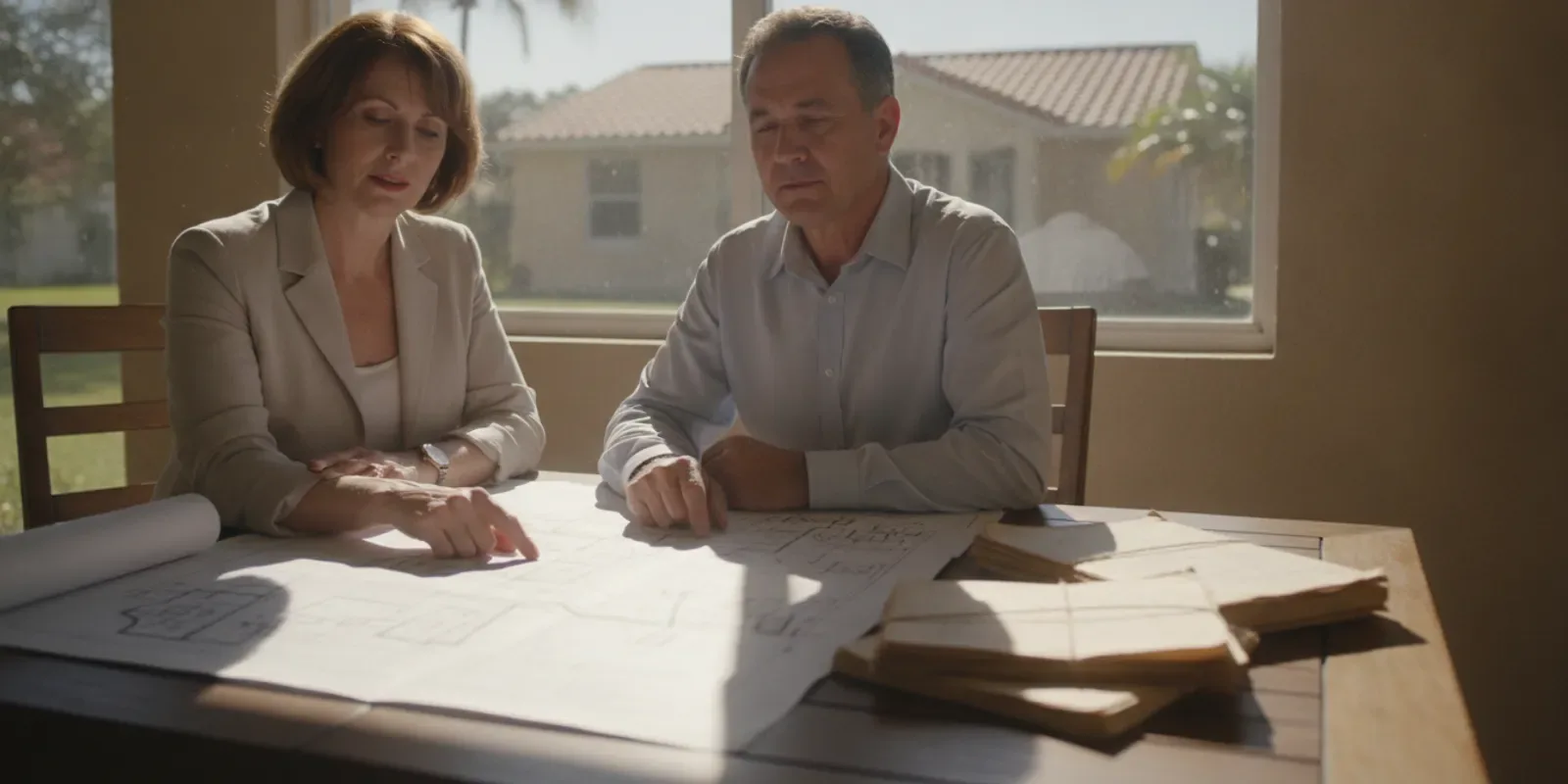
A property dispute can affect your home, business, finances, or plans for a building. A real estate litigation attorney can help you understand the dispute, identify the records that matter, and consider possible next steps. The right approach depends on the documents, the people involved, and the practical cost of pursuing a resolution.
By Martin Feldman, Founder and Partner
What kinds of disputes involve real estate?
Real estate disputes are not limited to arguments over who owns a property. They can involve the rights, obligations, or conduct of people connected to land, buildings, or a real estate transaction. Feldman Law’s published services describe litigation involving commercial and residential title issues, contractors, landlord-tenant disputes, and commercial property. These are examples of matters the firm identifies on its Services page; whether a particular dispute is a fit requires an individual review.
A disagreement may begin with a missed promise, a disputed document, work that one side says was not completed as agreed, or uncertainty about who holds a property interest. Some conflicts involve several related agreements or people. A dispute that sounds straightforward in conversation can become more complicated when the records do not tell the same story or when a decision could affect a business or family’s use of a property.
When should you consider speaking with an attorney?
Consider seeking legal guidance when a disagreement is no longer resolving through ordinary communication, when you receive a formal legal notice, or when someone is asking you to sign or accept terms that could affect your rights. It may also be helpful to get advice before taking a step that could change access to the property, affect an agreement, or make a later resolution harder.
Early advice does not mean every dispute should become a lawsuit. A useful first discussion can help clarify what is known, what remains uncertain, and what practical choices may be available. In evaluating a possible case, it is important to weigh the potential value of a resolution against the time, expense, and uncertainty of litigation. No attorney can promise a particular result, and a decision about next steps should account for the facts of the individual matter.
If you are comparing legal options, review the firm’s description of its real-estate litigation services and note which part of your situation seems relevant. A service description is not a determination that the firm will accept a matter or that a particular legal claim applies.
What should you gather before a consultation?
Organized records can make an initial conversation more focused. You do not need to solve the dispute or prepare a legal argument in advance. Instead, collect the material that shows what happened and what each person or business agreed to do.
- Agreements and amendments: Gather signed contracts, leases, addenda, change orders, and any written terms related to the property.
- Title and property records: Bring documents you already have that relate to ownership, title, or the property’s legal description. Do not assume that one document answers every ownership question.
- Communications: Save relevant emails, letters, text messages, and notices. Keep the original messages where possible, and avoid editing or deleting them.
- Work and payment records: For a contractor or commercial-property disagreement, collect invoices, payment records, proposals, photographs, and communications about the work or condition at issue.
- A concise timeline: Write down key dates, what happened, who was involved, and any deadlines or upcoming events you know about.
- Your practical goal: Be ready to explain what you are trying to protect or resolve, such as clarifying an obligation, addressing a property issue, or understanding available options.
Keep the documents in a safe place and bring copies or digital versions if convenient. If you are unsure whether a record is important, include it in your collection rather than altering it or discarding it. Avoid relying only on a verbal summary when a document or message may show the exact terms.
What questions help assess the dispute?
Useful questions focus on the facts, the documents, the other parties, and the consequences of different choices. You can ask what additional information would help evaluate the matter, what issues appear most important, and what risks or costs should be considered before deciding how to proceed. Ask how potential options differ in time, complexity, and expense, without assuming that litigation is the only path.
Also identify any deadlines, court papers, scheduled work, or communications that require a prompt response. Do not ignore a formal notice while trying to assemble a perfect file. Tell the attorney what has already happened and when, and ask what needs attention first. The available options depend on the specific facts and governing law.
How do you choose a real estate litigation attorney?
Look for clear communication about the nature of the dispute, the documents needed to evaluate it, and the tradeoffs among possible next steps. Ask whether the attorney has handled the type of issue you are facing and how the lawyer will assess the practical costs and potential recovery or other objectives. Be cautious of anyone who promises a guaranteed outcome or assures you that a dispute will be resolved in a particular way.
For legal matters in Florida, you can consult the Florida Bar for general information about the state’s legal profession. When evaluating counsel, confirm that the attorney’s role and proposed scope are clear, and make sure you understand what further information may be needed before the attorney can assess your situation.
Feldman Law describes a South Florida practice that handles real-estate litigation along with family, probate, and commercial disputes. Property issues can overlap with other legal and financial concerns, so explain the full context rather than only the most recent disagreement. The firm’s online service information is a starting point, not a guarantee of representation or a particular outcome.
When a property disagreement is disrupting your plans, gather the key records, set out the timeline, and seek advice about the choices that fit your circumstances.